
Supporters of plate readers should be the loudest voices for accountability, because every abuse hands opponents an argument to take the cameras away from the next kidnapped child. Here is what Alabama already requires, what agencies have added, and what a responsible program looks like.
Source: WAFF, Aug. 15, 2026
Twelve practices that put a program on a defensible footing. Most are already required by 265-X-6; the rest are what the best Alabama agencies do voluntarily.
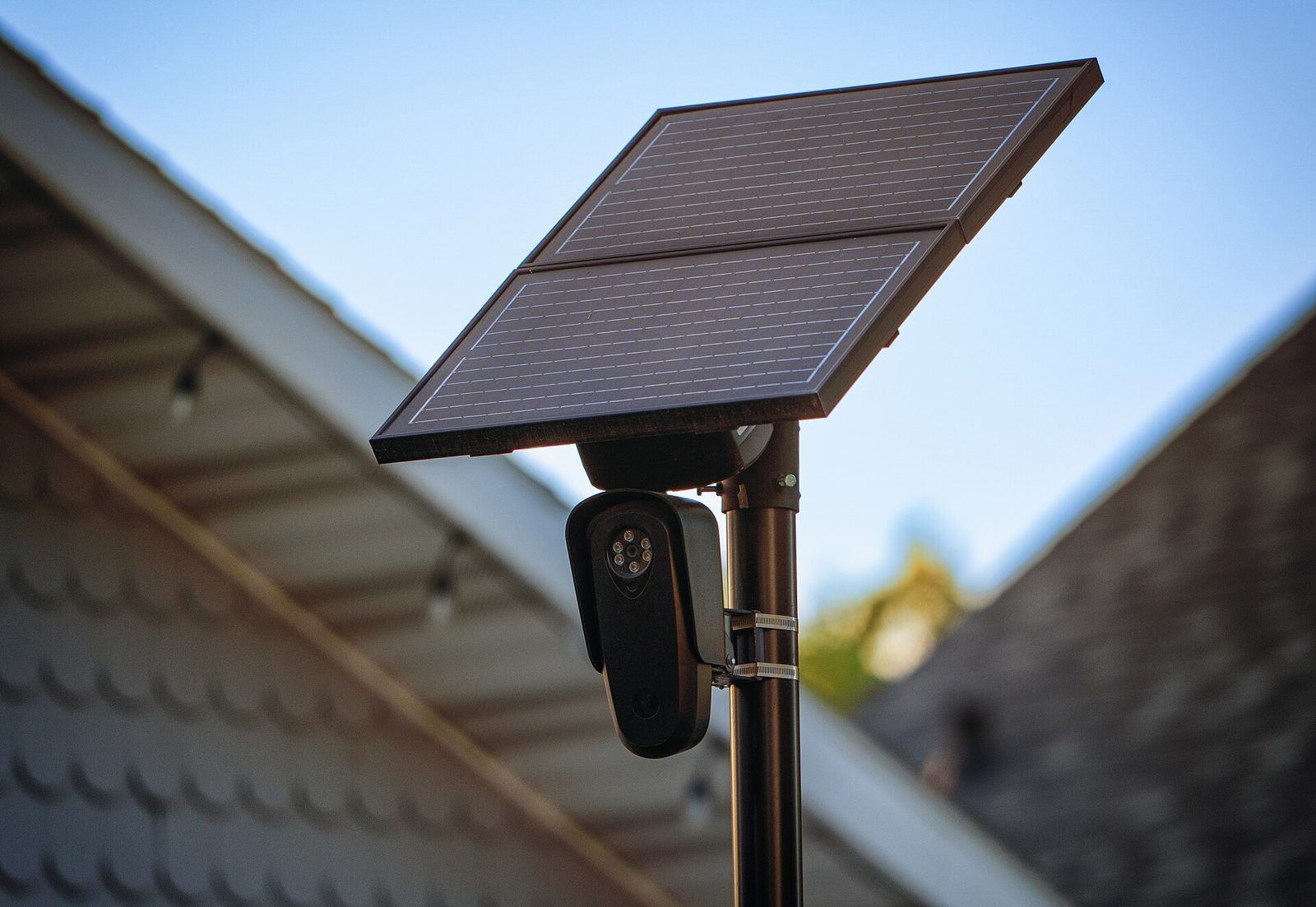
A fixed reader photographs the rear of a vehicle and its plate as it passes a single point, timestamps it, and compares the plate against hot lists (stolen vehicles, wanted persons, AMBER and Silver Alerts, missing persons). It does not use facial recognition, does not identify the driver, does not see inside the vehicle, and, in Chief Reece Smith's words, “doesn't see what driveway you turn into.” The plate is public by design: Alabama law requires it to be displayed for exactly this reason.